Honey moves globally. The information around it usually does not.
Exchange Honey exists to close that gap: a marketplace and brokerage platform where commercial buyers and suppliers can find each other on clear specifications, reviewed documentation, and realistic terms.
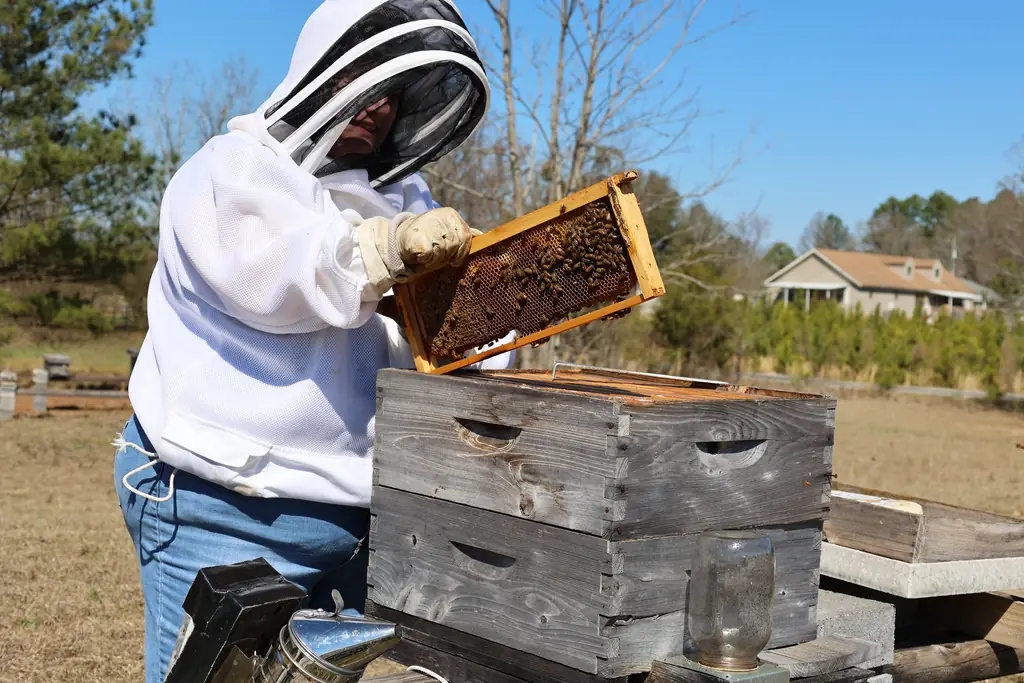 Representative image
The honey trade runs on relationships and incomplete data.
Bulk honey is a global commodity with local production realities. A packer in one market needs consistent moisture, colour, and authenticity documentation. A cooperative in another has excellent honey and no practical route to a buyer who values it.
Between them sits a fragmented chain of intermediaries, inconsistent paperwork, and price discovery that depends on who you happen to know. Deals collapse late, after samples have shipped and time has been spent.
Exchange Honey was built to make that process legible. We structure supply and demand around the specifications that actually decide a transaction, review what has been submitted, and coordinate the testing and logistics steps that follow.
Four principles we do not trade away.
Represent the transaction
We are not a hidden reseller. Our role is to make a workable deal exist between two parties who each need it to succeed.
Say only what is verified
Status labels describe review steps that have actually been completed. We do not invent trust signals or imply guarantees we cannot make.
Specification before price
Most failed honey transactions fail on specification, documentation, or timing, not on headline price. We start where the risk is.
Work across origins
We are not tied to a single producing country. Where the right honey exists, that is where we look.
Commercial participants across the honey chain.
Exchange Honey is built for organizations trading in drums, totes, flexitanks, and containers. We do not sell retail jars and we do not broker consumer quantities.
Buy side
- Honey packers and co-packers
- Food and beverage manufacturers
- Ingredient buyers and formulators
- Brand owners and private label programmes
- Importers and distributors
Supply side
- Commercial beekeepers
- Producer cooperatives
- Processors and packers with surplus
- Exporters and origin traders
- Organic and certified specialty producers
Exchange Honey acts as an intermediary and brokerage service. We do not take title to goods unless expressly agreed in writing for a specific transaction, and we do not guarantee the authenticity, quality, or legal compliance of any product offered by a third party.
Image credits
The photographs show a hive product, packaging, a floral source, or origin context. None is a photograph of a specific lot.
- A close-up shot of a pile of bee pollen. Eva Bronzini. Pexels License.
- Apis mellifera on a fennel flower. Joselodos. CC0.
- Beekeeper Inspecting the Hive - 51084099207. Bruce Dupree, Alabama Cooperative Extension System. CC0.
- Blanket flower in an urban pollinator garden in Chippewa County, Michigan. Madeleine Cantu, USDA. Public domain.
- Blue orchard bee pollinates Zinnia. Scott Bauer, USDA ARS. Public domain.
- Fresh honey in a wooden bowl with honeycomb. Mihman Duğanlı. Pexels License.
- Larvae in royal jelly. L. Rusert. CC BY-SA 4.0.
- People's Garden Apiary and Pollinator Garden (20130522-NRCS-LSC-0141). USDA Natural Resources Conservation Service. Public domain.
- Poison sting bee 2. Carsten Pietzsch. CC0.
- Pollinator Festival at USDA Farmer's Market and Night Farmers Market) (20150619-OSEC-LSC-0227). U.S. Department of Agriculture. Public domain.
- Propolis 1. Maša Sinreih and Valentina Vivod. CC BY-SA 3.0.
- Pure Natural Beeswax Blocks. Jack Soley. CC BY-SA 4.0.
- Queen Bee (16545241268). U.S. Geological Survey from Reston, VA, USA. Public domain.
- Steens Mountain - Wildflowers at Kiger Gorge Overlook, 2016 (28665068812). Bureau of Land Management Oregon and Washington from Portland, America. Public domain.
- Woolly verbena is a wildflower that can be found throughout Kansas Cattle won't eat it because of its bitter taste! (19748407942). U.S. Fish and Wildlife Service - Midwest Region. Public domain.
Work with a desk that knows the paperwork.
Start with a clear specification, or tell us what you have available.